Bring me the mess
I’ve spent my career making sense of complicated situations, often when there wasn’t any room for getting it wrong.
Across emergency services, public information, fire communications, major events, retail operations, marketing and growing businesses, I’ve worked with complex information, competing priorities, multiple stakeholders and situations where “we’ll figure it out later” wasn’t particularly useful, nor allowed.
I’ve built things from scratch, turned complicated instructions into workable plans, coordinated people and information, communicated as circumstances changed, and helped make sure the right thing happened next.
That experience is now the foundation of Morgan Dunn Co.
I’m less interested in giving you another framework to remember and much more interested in understanding how your business actually works, then helping you make it work better.
The backstory
The experience you’re investing in.
High-stakes operations
I’ve worked across police and fire in disaster operations, emergency management, public information and warnings, intelligence and fire communications.
That work included major fires, floods, cyclones and severe weather, alongside operational planning, stakeholder coordination, public messaging and decisions made when information was changing quickly.
Brands, retail + leadership
Leadership roles across lululemon stores and head office, global consumer packaged goods companies looking to exit, and North American tech startups, with experience spanning operations, communications, and community engagement.
Events + logistics
Planning and delivering community and sporting events, coordinating the people, logistics, timelines and inevitable moving parts that sit behind a seamless experience.
Marketing + communications
Leading communications, marketing and social media across Australian and North American businesses, including nutritional supplements and e-commerce.
Building from scratch
From operational programs and public-facing communications to founding Disaster Scout, I’ve repeatedly taken ideas, instructions and complex problems and turned them into something usable.
I now bring all of that experience into Morgan Dunn Co: practical advisory, education, workshops, speaking and thought leadership for people doing work that matters.
The common thread is simple: helping people turn complexity into clarity, and ambition into something that can actually hold up in the real world.
The Standard
-
Good branding, clever language and a polished deck are useful. But eventually, the thing underneath has to work.
I care about depth, good thinking and work that stands up when you look a little closer.
-
I’ll tell you what I genuinely think, including when the answer is less exciting than the idea.
I don’t believe in manufacturing urgency, selling people things they don’t need or dressing up mediocre work to make it sound strategic.
Trust matters more.
-
Ideas are easy. Execution is where things usually get interesting.
I care about doing what you said you would do, closing loops, communicating properly and making sure the work actually goes somewhere.
Reliability is wildly underrated.
-
I ask a lot of questions.
Not because everything needs to be over-analysed, but because the first explanation is rarely the whole story.
Curiosity helps us understand the real problem, challenge assumptions and find better ways of doing things.
-
I’ve worked in environments where the stakes were genuinely high. It taught me that professionalism does not require becoming painfully boring.
We can do thoughtful, rigorous, high-quality work and still laugh, swear occasionally, eat something excellent and enjoy ourselves while we’re doing it.
-
You can be clear without being cruel, direct without being arrogant and ambitious without making people collateral damage.
I value generosity, respect and treating people like people. That doesn’t mean avoiding difficult conversations or lowering the standard. Usually, it means having the conversation properly, being honest about what needs to change and following through with care.
I can work comfortably inside the corporate machinery too. Governance, policy, hierarchy, stakeholders, approvals, competing agendas… none of that scares me.
I just don’t believe professionalism has to mean jargon, theatre or turning a straightforward idea into seventeen meetings and a forty-slide deck.
A little more about Morgan
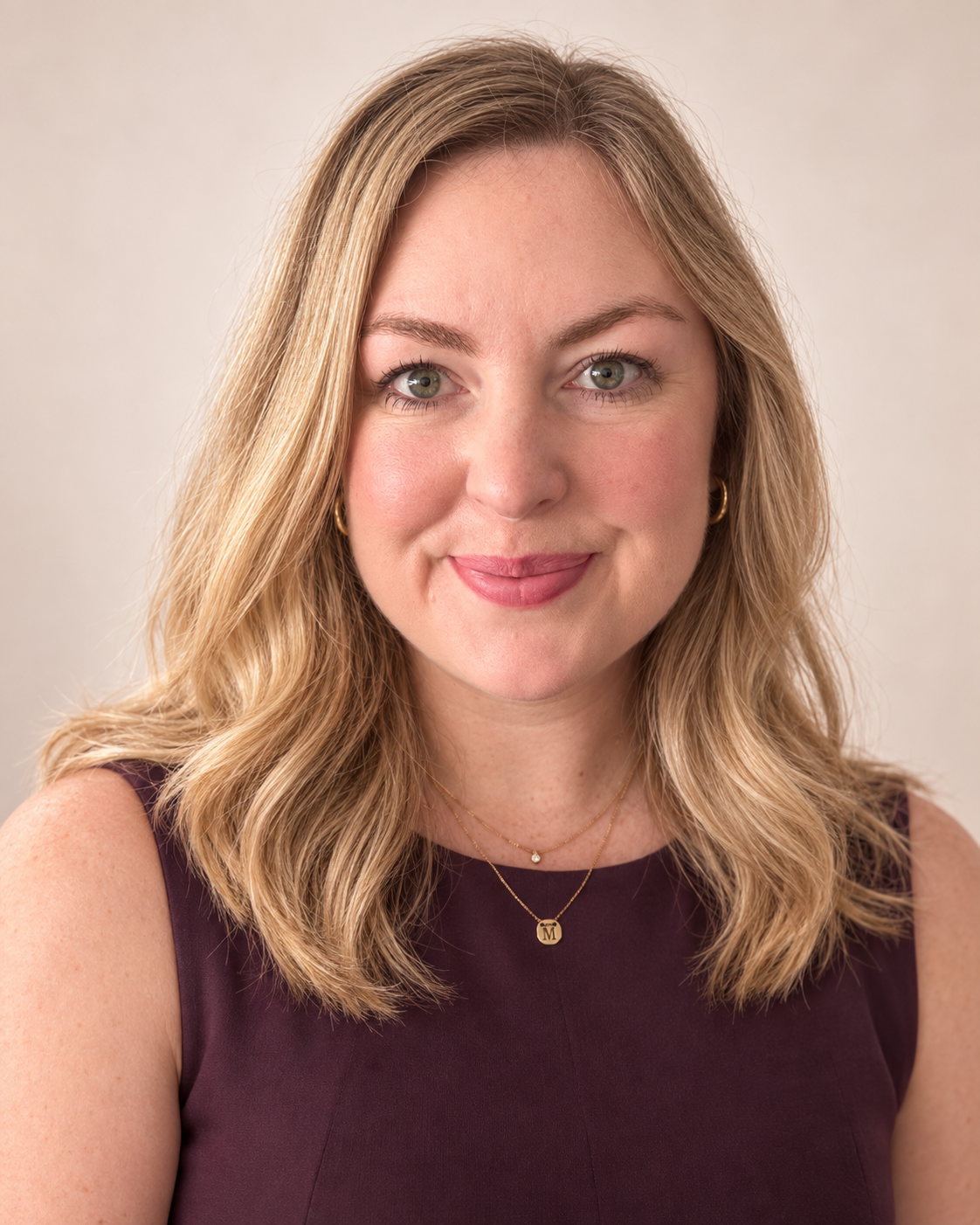
I’m naturally curious, slightly allergic to unnecessary bureaucracy and very interested in why some things work beautifully while others become far more complicated than they need to be.
I like good systems, excellent food, big ideas, ambitious women, airports, mountain towns, long conversations and people who care about what they’re building.
I’ve worked in serious environments for a lot of my career, but I don’t take myself particularly seriously. I like people who can do excellent work, have the hard conversation when it’s needed, and still have a laugh over lunch afterwards.
Outside work, I’m usually training for whatever race I’ve decided is a good idea next, finding my way back to the mountains, snowboarding whenever geography (and weather) allows, or at home with my husband and one extremely spoilt cat.
Experience in Practice
-
Queensland Fire Department
I was brought into a regional role where the public information and warnings capability effectively needed to be built from scratch.
That meant much more than writing public information. It meant establishing how the function would work: building relationships across operational and leadership teams, developing processes and resources, creating training and workshops, translating doctrine into something usable, and helping embed public information and warnings into the way the region operated.
The work sat at the intersection of operations, intelligence, communications, stakeholder management and implementation — often in environments where information was changing quickly and clarity mattered.
The thread I still bring to my work: building a function is different from having a good idea for one. You need the people, processes, communication, ownership and operating rhythm around it if you want it to actually work.
-
lululemon | Brisbane
At lululemon, my work extended well beyond the four walls of retail.
I developed and helped deliver large-scale events and activations in Brisbane, bringing together the operational pieces behind an experience that still needed to feel unmistakably like the brand.
Events are operations in disguise. There are timelines, people, partners, budgets, logistics, communication, contingencies and hundreds of small decisions that ultimately determine whether the customer experiences something seamless or something chaotic.
The thread I still bring to my work: a big vision only becomes valuable when someone can turn it into a workable plan and carry it through to delivery.
-
Vega
My work with Vega sat across brand, communications and operations during a period of growth.
I helped lay the groundwork for the brand’s voice, developed social media guidelines for employees and developed the company’s first branded event — work that required thinking not only about what the brand wanted to say, but how people across the organisation could consistently represent it.
It was an early lesson in something I’ve seen repeatedly since: growth creates complexity quickly. Brand, people, communication and operations can’t live in separate boxes if you expect the customer experience to remain coherent.
The thread I still bring to my work: good operations often sit behind things customers never recognise as “operations” at all.
-
Disaster Scout
More recently, I’ve been building Disaster Scout from an idea into a live technology platform operating across Australia and Canada.
As founder, my role has moved across product strategy, operations, policy, data sources, user experience, communications, partnerships, governance, business development and expansion.
There was no existing operating model to inherit. Every new stage has required working out what the business needs now, what it will need next, what needs to be systemised and what still needs founder judgement.
Building my own company has also given me a very different perspective on operational advice: I know what it feels like to be the person carrying the vision, the decisions and far too much of the business around in your own head.
The thread I still bring to my work: founders eventually need more than another pair of hands. They need someone who can see across the business, make sense of the moving parts and help turn growth into an organisation that can actually support it.